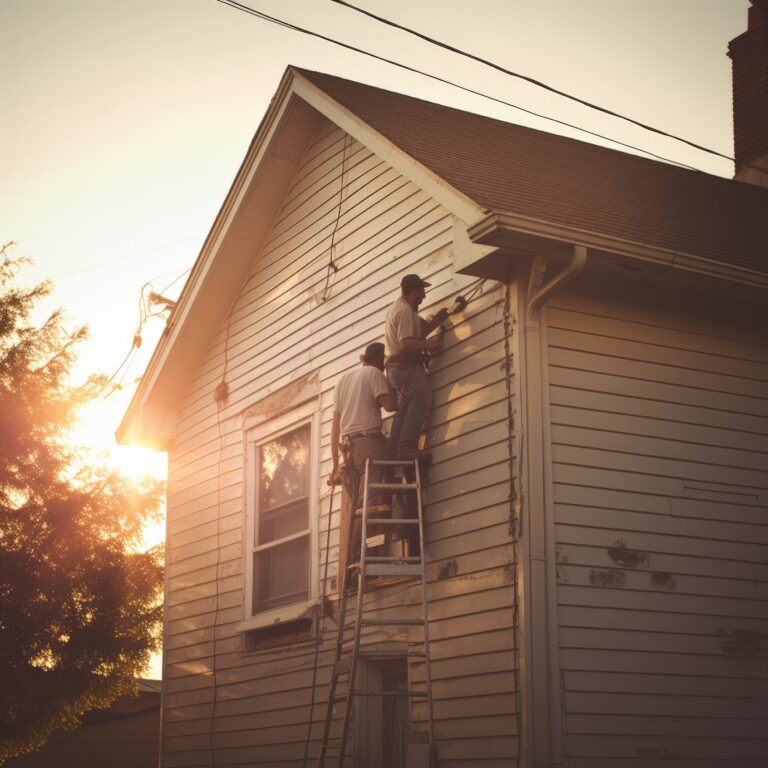
Roof replacement improves home safety by creating a stronger shield against leaks, storms, and structural damage. A weak roof can let water, wind, and mold enter the home, which slowly harms walls and ceilings. A proper upgrade helps prevent these risks and keeps the structure stable for years. In most cases, Roof replacement in Vancouver, WA, becomes a smart step when repairs no longer solve ongoing issues. A new roof also improves insulation and reduces hidden hazards like rot and electrical damage caused by moisture.
Strong Protection against Weather Damage
The weather is one of the biggest threats to any home's roof. Rain, wind, and seasonal storms can slowly weaken old roofing materials. Small cracks or missing shingles may not look serious at first, but they often lead to bigger problems.
A new roof builds a solid barrier. It keeps water out and reduces the chance of leaks during heavy rain. Wind resistance also improves with modern roofing systems.
A safe roof helps prevent:
- Water leaks inside ceilings and walls
- Shingle loss during storms
- Weak roof sections are collapsing over time
In many homes, Roof repair in Vancouver, WA can handle minor issues. But when damage spreads, full replacement becomes the safer choice.
Prevents Mold, Rot, and Hidden Structural Damage
Moisture is a silent problem. Once it enters through the roof gaps, it spreads slowly. Over time, it creates mold, wood rot, and weak framing inside the house. These issues often stay hidden until damage becomes serious. Musty smells, stains on ceilings, and soft wall spots are common signs. A new roof stops moisture at the source. It seals weak areas and blocks water entry completely.
This improves safety by:
- Reducing mold growth inside living spaces
- Protecting wooden support beams from rot
- Preventing long-term structural weakening
A timely Roof replacement in Vancouver, WA, can save homeowners from costly repairs later.
Improves Fire Safety and Electrical Protection
Old roofs can create hidden fire risks. Moisture can reach electrical wiring in the attic. This increases the chance of short circuits. Also, worn roofing materials lose their heat resistance. In hot conditions or electrical faults, this becomes risky. A new roof uses better materials that resist heat and reduce risk exposure. Proper sealing keeps attic spaces dry and safe.
Key safety improvements include:
- Lower risk of electrical short circuits
- Better heat resistance in roofing layers
- Reduced the chance of attic-related fire hazards
A strong roof plays a quiet but important role in overall home safety.
Improves Indoor Air Quality and Comfort
Roof problems often affect indoor air without notice. Moisture buildup leads to mold spores in the air. This can cause allergies, coughing, and breathing issues. A new roof reduces trapped moisture. It also improves ventilation in attic spaces. This helps maintain cleaner indoor air. Better roofing also improves temperature control. Homes stay warmer in winter and cooler in summer. This reduces stress on heating and cooling systems.
Increases Long-Term Home Safety and Value
A strong roof protects both safety and investment. Buyers often check the roof condition first before purchasing a home. A new roof builds trust and increases property value. It also reduces emergency repair costs. No sudden leaks. No surprise damage after storms.
A well-planned Roof Replacement, becomes a long-term safety upgrade, not just a repair job.
Final Thoughts
Roof safety plays a major role in protecting a home. A weak roof can slowly create leaks, mold, and structural risks. A new roof removes these problems at the root and builds stronger protection. From weather resistance to fire safety, every layer adds value. While small issues may be handled with Roof repair in Vancouver, WA, full replacement becomes important when damage spreads. A proper Roof replacement improves comfort, safety, and peace of mind. It keeps the home strong, stable, and ready for changing weather conditions for years ahead.
FAQs
1. How does roof replacement improve home safety?
Roof replacement improves safety by sealing leaks, strengthening the structure, and preventing water damage. It reduces risks like mold growth, ceiling collapse, and electrical issues. A new roof creates a strong barrier against the weather, which keeps the entire home more stable and secure.
2. When should a roof be replaced instead of repaired?
A roof should be replaced when damage is widespread or when repairs are no longer effective. Frequent leaks, sagging areas, and missing shingles are key signs. In such cases, repeated fixes only delay problems, while full replacement provides long-term safety and protection.
3. Can a new roof prevent mold problems?
Yes, a new roof helps prevent mold by stopping water leaks and moisture buildup. Mold often grows in damp and hidden areas like attics. By sealing gaps and improving ventilation, roof replacement reduces conditions that allow mold to spread inside the home.
4. Does roof replacement improve energy efficiency?
Yes, roof replacement improves energy efficiency by improving insulation and ventilation. It helps maintain indoor temperatures better, which reduces heating and cooling use. This leads to lower energy bills and a more comfortable living environment throughout the year.
5. Is roof replacement worth the cost for homeowners?
Roof replacement is worth the cost because it improves safety, reduces repair expenses, and increases property value. A strong roof protects the entire home structure. It also prevents expensive damage caused by leaks, storms, and long-term wear over time.